
Brassaï (Gyula Halasz)
Known since 1932 by his pseudonym Brassai (derived from Brasso, his place of birth), Gyula Halász came to photography through self-education. He first studied art in Budapest and Berlin and soon he was active in circles that included Lászlo Moholy-Nagy and Wassily Kandinsky. In 1924 he went to Paris as a journalist. There he became acquainted with Eugène Atget in 1925, whose work was to become a constant model for his later work. A year later he met his compatriot André Kertész, whom he often accompanied on assignments and whose photographs he occasionally used for the documentation of his own work. In 1929 Brassai borrowed a camera and made his very first photographs, and soon afterwards he decided to purchase his own Voigtländer camera. During his extended wanderings through nighttime Paris, Brassai began, in 1930, to record the deserted streets and squares of the city. The results of this work were published in 1932 in his famous book “Paris de Nuit.”
Aside from the aesthetic fascination of the mysterious and stage-set-like architecture, the photographer also experienced the technical challenge posed by the extreme lighting conditions for his nighttime photographs. During these nightly sojourns, Brassai was also fascinated by the activities of society. In the bars and in the streets he recorded the night owls of the city, photographing tramps, prostiutes, lovers, dancers, and other colorful figures. In 1932 Brassai discovered graffiti on the walls of Paris, and he covered this subject for many years to come. Through his contributions to the Surrealist magazine “Minotaure” during the thirties, Brassai became acquainted with many writers, poets, and artists of Surrealism. He began to work for Harper’s Bazaar in 1937, and he supplied that magazine with many photographic essays about famous literary personalities and artists. In 1962 Brassai gave up photography altogether after the death of the magazine’s publisher Carmel Snow. From then on he kept busy making new prints of his photographs and new editions of his earlier books.
Photography & Works
-

Brassaï (Gyula Halasz)
Chez Suzy, En Attendant Le Client Add to cart -

Brassaï (Gyula Halasz)
Chez Suzy, la présentation, Quartier Saint-Germain-Des-Près Add to cart -

Brassaï (Gyula Halasz)
Clochard avec son chat Add to cart -

Brassaï (Gyula Halasz)
Couple Au Bal Blomet, Paris Add to cart -

Brassaï (Gyula Halasz)
Deux Filles De Montmartre Add to cart -

Brassaï (Gyula Halasz)
Fille De Joie Du Quartier Italien Dans Une Robe Printanière Add to cart -

Brassaï (Gyula Halasz)
Groupe d’Hommes, autour du “Zinc” dans un bistrot, Rue de Lappe Add to cart -

Brassaï (Gyula Halasz)
Introduction Chez Suzy, rue Grégoire-de-Tours, Paris Add to cart -

Brassaï (Gyula Halasz)
La Grosse Fille de Joie, Quartier Italie Add to cart -

Brassaï (Gyula Halasz)
Le 14 Juillet, Place De La Bastille, Paris Add to cart -

Brassaï (Gyula Halasz)
Le Bal de Quatre-Saisons, Rue De Lappe Add to cart -
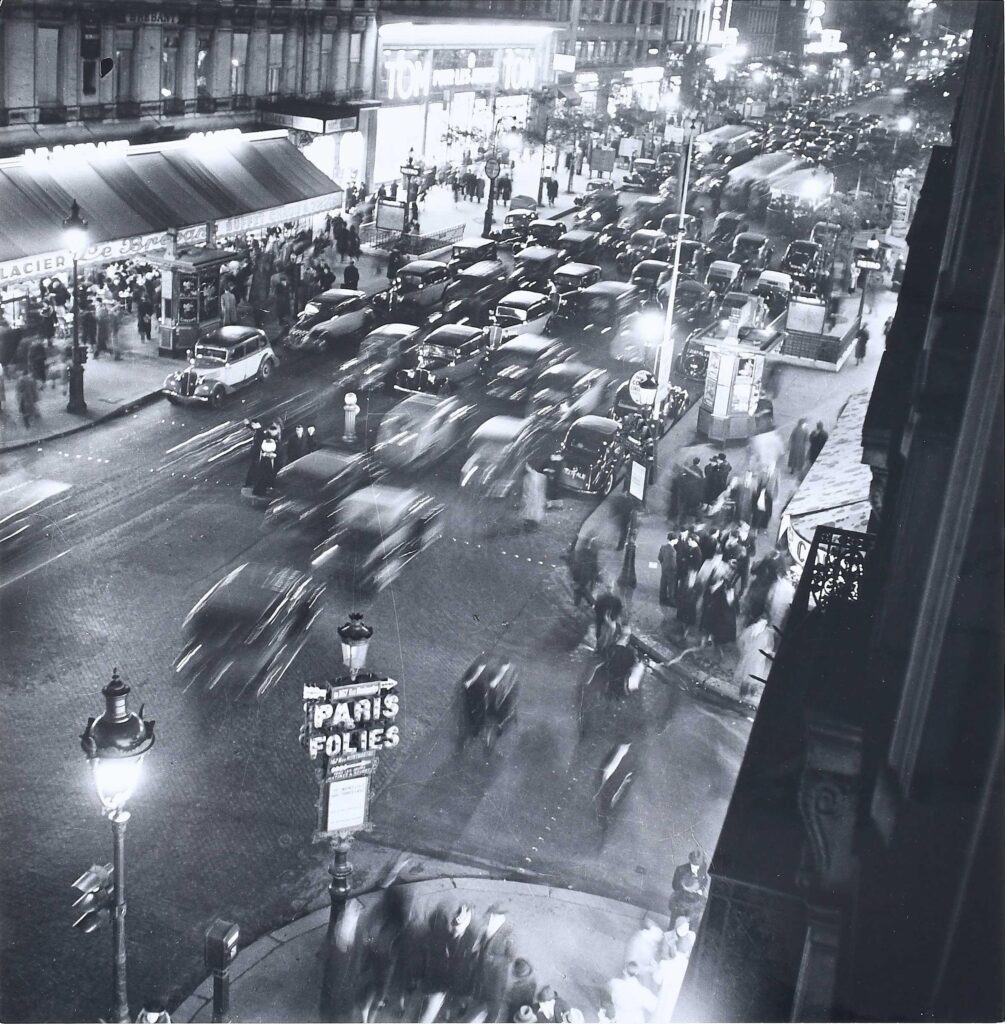
Brassaï (Gyula Halasz)
Les Grands Boulevards Add to cart -

Brassaï (Gyula Halasz)
Matisse and his Model at the Villa D’Alésia, Paris Add to cart -
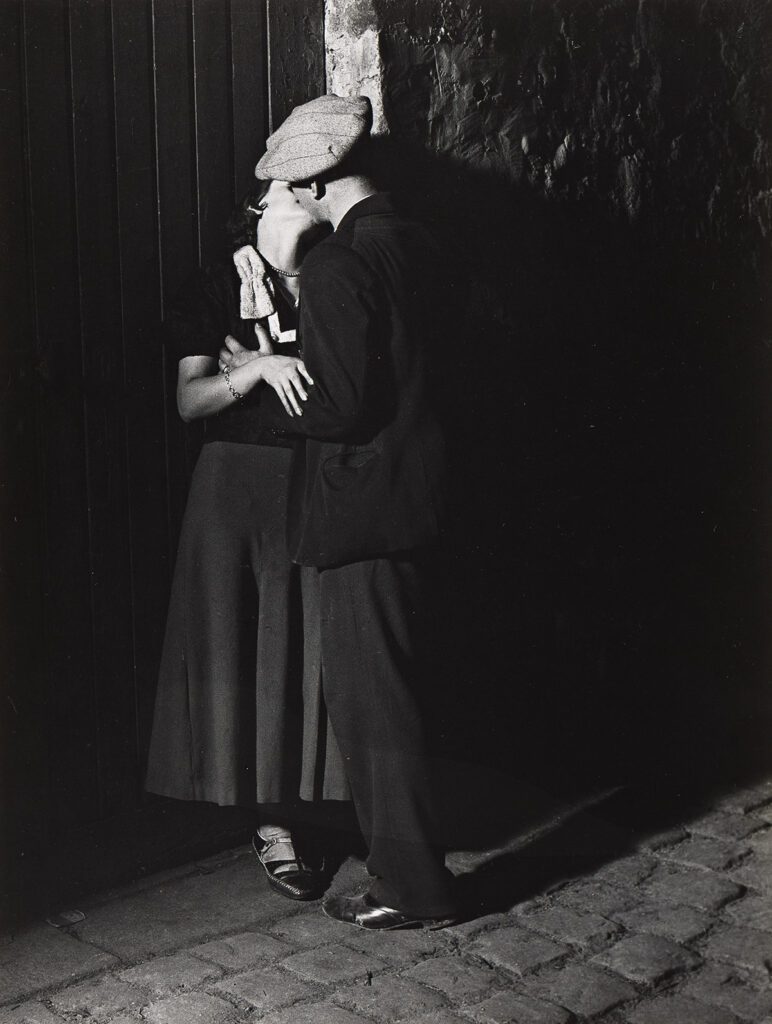
Brassaï (Gyula Halasz)
Pair of Lovers, Place d’Italie, Paris Add to cart -

Brassaï (Gyula Halasz)
Parade D’Un Spectacle De Fete Foraine, Boulevard Saint-Jacques, Paris Add to cart -

Brassaï (Gyula Halasz)
Picasso dans son studio Add to cart -

Brassaï (Gyula Halasz)
Picasso mime l’artiste peintre (with Jean Marais as model) Add to cart -

Brassaï (Gyula Halasz)
Picasso Tenant Une De Les Sculptures Add to cart -

Brassaï (Gyula Halasz)
Police Round-up, Paris Add to cart -

Brassaï (Gyula Halasz)
Un Bar Rue de Lappe (La Bastoche) Add to cart -

Brassaï (Gyula Halasz)
Untitled (Woman with cat mask) Add to cart


